The Meekness and Humility of Jesus Christ: A Life to be Learned
by Conor Gallagher
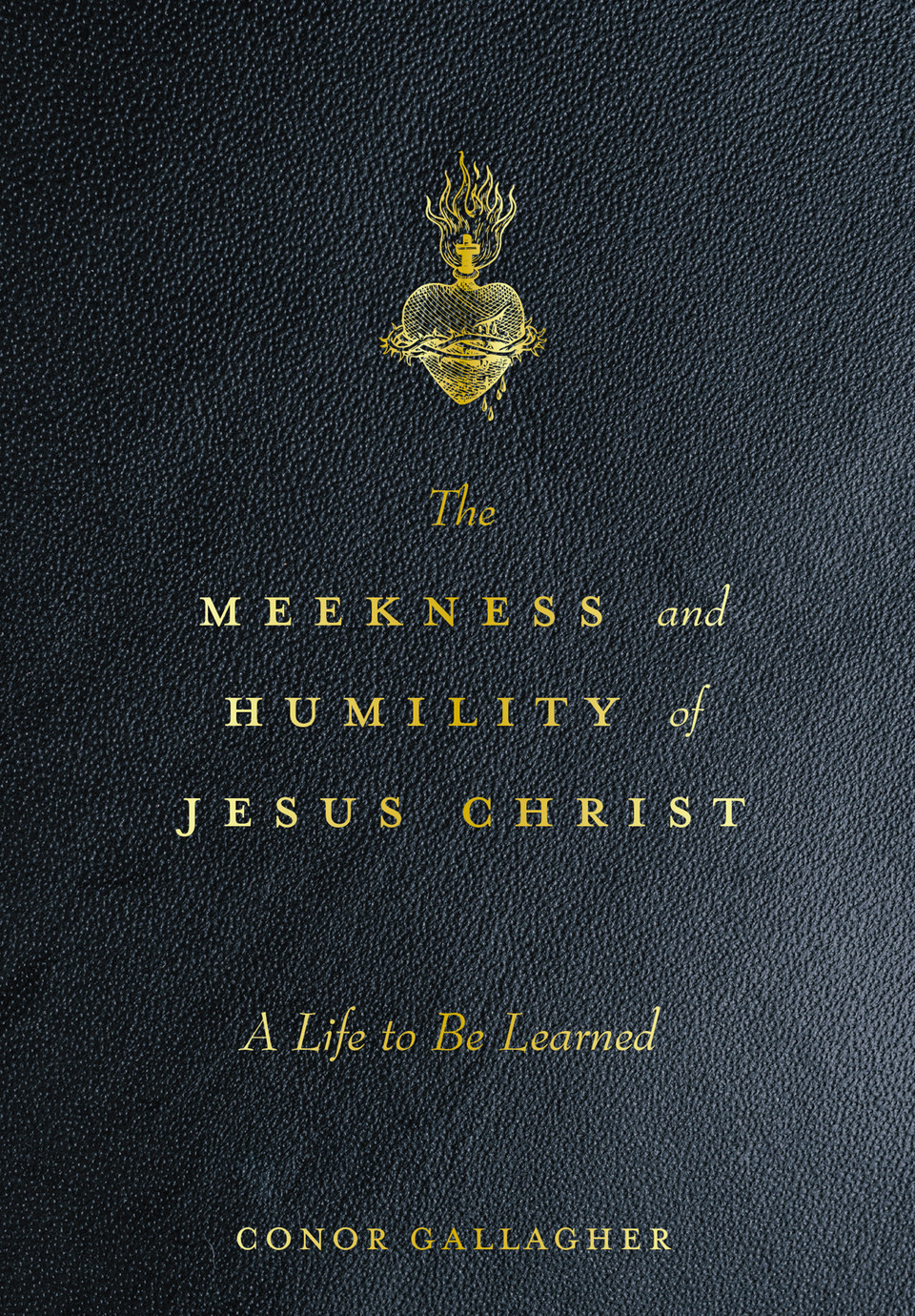
Publisher
TAN Books
Published
June 2, 2026
ISBN
cp-the-meekness-and-humility-of-jesus-chris
Virtue scores
Review
SECTION ONE Jesus himself names only two qualities of his own heart in the entire Gospel of Matthew: 'I am meek and humble of heart.' That self-disclosure, brief enough to memorize and strange enough to puzzle any serious reader, is the seed from which this TAN Books volume grows. The argument of the book is simple and demanding in equal measure: meekness and humility are not temperamental accidents or cultural courtesies but the defining interior shape of the incarnate God, and the Christian life consists, at its root, in learning that shape by sustained, attentive imitation. The audience is any Catholic who suspects that virtue formation is not primarily a matter of technique but of encounter — of studying a life. The book asks readers to sit with Christ's concrete actions and dispositions across the Gospels until those dispositions begin, slowly, to leave a mark on the interior life. It belongs on the shelf beside the ascetical classics: readable without being shallow, devotional without being sentimental. SECTION TWO - **Created**: The book's premise is that meekness and humility are not reactions to the Fall but belong to the original logic of creaturely existence — the soul's true orientation before its maker. In treating these virtues as fitting expressions of what the human person is (a being whose goodness is received, not self-generated), the book affirms the dignity of dependence and locates the imago Dei not in autonomy but in receptivity. - **Fallen**: Pride is the disorder the book addresses at its root. By presenting Christ's meekness as the inversion of the will-to-dominate that marks fallen human striving, the book diagnoses concupiscence in the irascible appetite — the disordered drive toward status, resentment of diminishment, and refusal of one's creaturely limit — and names it plainly rather than euphemistically. - **Redeemed**: The subtitle, 'A Life to Be Learned,' points to the specifically Christian mechanism of restoration: not moral self-improvement but transformation through apprenticeship to a Person. Redemption here is not abstract; it is the patient re-patterning of desire and response by keeping company with Christ's own interior life as witnessed in the Gospels. - **Prudence (docility)**: The book exercises the integral virtue Aquinas calls docilitas — the readiness to learn from one who knows more — by positioning the reader as a student of Christ rather than a moral agent constructing virtues independently. This is a formation posture, and the book cultivates it deliberately. - **Justice (adoration/devotion)**: Because the object of imitation is God incarnate, the book's practice of attentive study shades naturally into worship. Reading it with care is also an act of adoration — the recognition that Christ's meekness and humility are not merely admirable but are owed reverence as the self-revelation of divine love. SECTION THREE Pope Benedict XVI[^1], in his Wednesday Audiences, describes Jesus entering Jerusalem as 'the king of the anawim' — those whose hearts are free from the longing for power and material riches — and that image of the mounted poor king illuminates the very interior Jesus this book asks readers to learn. C.S. Lewis[^2], in *Mere Christianity*, makes the same paradox precise: Christ claims to be 'humble and meek' and we believe him, even though, Lewis notes, humility and meekness would be the last qualities we could attribute to these sayings if their speaker were merely a man — which means the virtues this book sets out to teach are only coherent because they belong to God. Pérez de Urbel[^3], in *Vida de Cristo*, captures the same movement from omnipotence to invitation in Christ's own words — 'Come to me, all you who labor and are burdened, and I will give you rest; for I am meek and humble of heart' — the passage that is, in many ways, the textual heart of the book under review. ## References 1. Pope Benedict XVI (n.d.). *Wednesday Audiences*. Page 1. — 'He is a poor king, the king of those who are the poor people of God.' 2. Lewis, C.S. (n.d.). *Mere Christianity*. Page 38. — 'Christ says that He is humble and meek and we believe Him.' 3. Pérez de Urbel, Fray Justo (n.d.). *Vida de Cristo*. — 'Venid a Mí todos los que trabajáis y estáis cargados, que Yo os aliviaré.'
✓ Strengths
- ✓Centers Jesus Christ himself — not an abstract virtue ideal — as the concrete model of meekness and humility, grounding moral formation in imitation of a real person rather than in self-improvement technique.
- ✓Treats humility not as self-deprecation but as right relationship with truth: the creature acknowledging its proper orientation before God, which is precisely Aquinas's account of humility as a species of temperance regulating inordinate self-estimation.
- ✓Meekness is presented as mastery of the irascible appetite — the ordering of anger and the drive for dominance — which maps cleanly onto Thomistic virtue psychology and offers readers a concrete interior target rather than a behavioral prescription.
- ✓The title's subtitle, 'A Life to Be Learned,' signals that what is on offer is formation through apprenticeship — the classical docility (prudence-teachability) of attending to a master, which Aquinas treats as the first integral part of prudence.
- ✓Published by TAN Books, the text situates itself within a tradition of ascetical reading directed at serious Catholics seeking interior transformation, making it appropriate for spiritual direction, parish reading groups, and individual lectio.
⚠ Considerations
- ⚠The anonymous provenance means the book cannot be readily cross-checked against magisterial sources or situated within a specific spiritual school, which may limit its usefulness for directors guiding directees with particular charisms (e.g., Ignatian, Carmelite).